
Sunil Malik Assistant Director of Photography
Sunil Malik: A Rising Force Behind the Lens
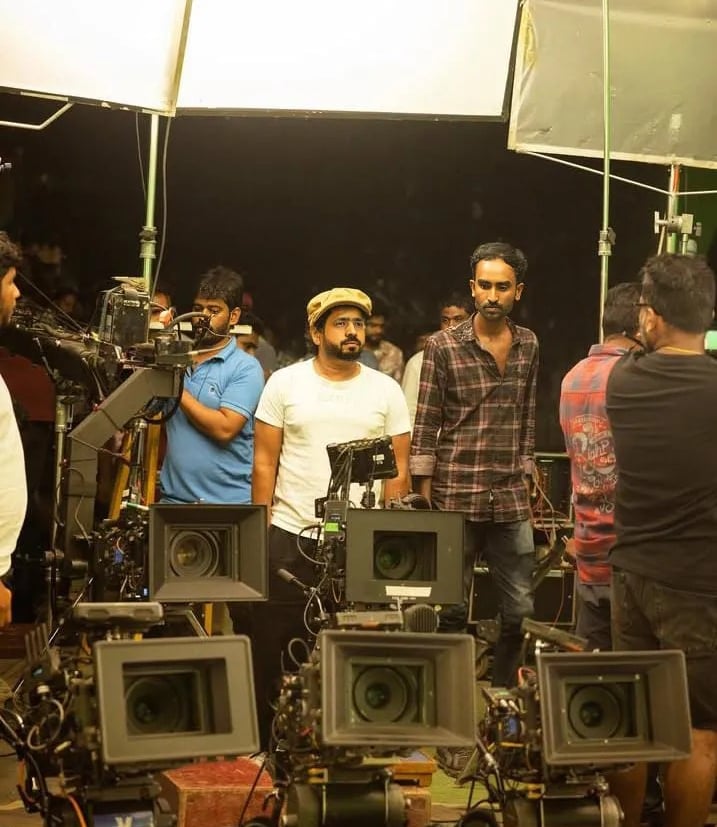
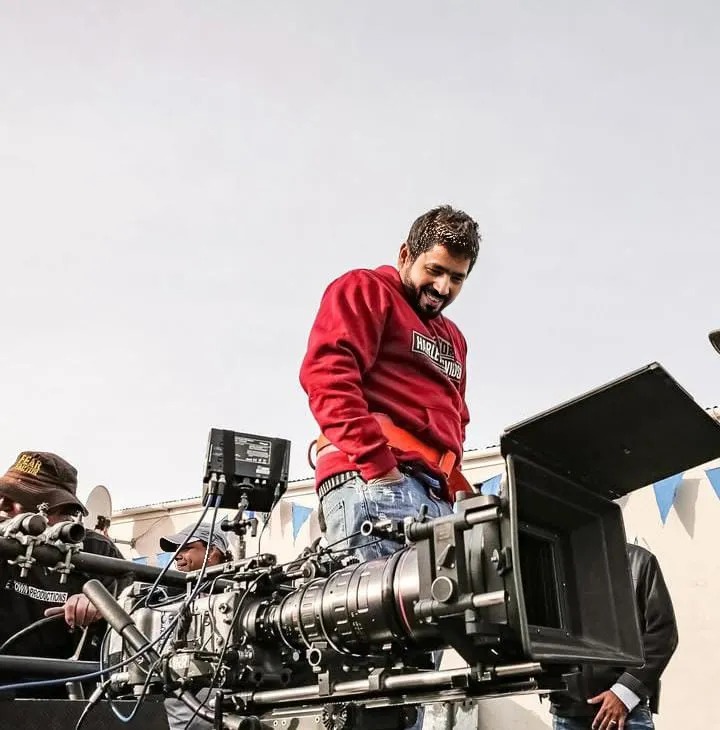
Cinema thrives on the magic of images, and while stars shine on screen, the artistry of those behind the camera often remains in the shadows. Among them stands Sunil Malik, an Assistant Director of Photography (ADOP) whose growing filmography speaks volumes of his technical mastery and creative instincts. From early ventures like Action (2019) to celebrated works in Punjabi cinema such as Teeja Punjab and Laung Laachi 2, and from Bollywood crossovers like Munjya and Blackout to the highly anticipated Dulla the Robinhood, Malik’s journey exemplifies the grit, adaptability, and passion that define India’s new generation of technicians.
From Beginnings to Breakthroughs
Malik’s career officially gained momentum in 2019 with Action, a Tamil-language action thriller. Working in such a demanding genre meant tackling high-octane sequences, precision in camera alignment, and collaborating with large technical teams. This experience set the foundation for his versatility in navigating diverse film industries.
The year 2021 brought Teeja Punjab, marking his entry into Punjabi cinema at a time when the industry was diversifying its storytelling. Unlike the larger-than-life sets of southern action films, Teeja Punjab demanded intimate camerawork and emotional authenticity. Malik adapted seamlessly, proving his ability to shift between cinematic languages while keeping visual storytelling sharp and immersive.
A Stronghold in Punjabi Cinema
Punjabi cinema quickly became Malik’s creative home. His contribution to Ji Wife Ji (2023) and Laung Laachi 2 (2022) positioned him as a trusted collaborator in projects balancing humor, drama, and music-driven narratives. Punjabi films often rely heavily on vibrant visuals to complement their soundtracks, and Malik’s work ensured that the cinematography enhanced, rather than overshadowed, the rhythm of the stories.
The addition of Dulla the Robinhood further cements this legacy. A film that blends action, folklore, and cinematic grandeur, it places Malik at the heart of a production poised to resonate with audiences across Punjab and beyond.
Cross-Industry Expansion: Bollywood and Beyond
If Punjabi cinema gave Malik his foundation, Bollywood provided a stage to showcase range. His involvement in 777 Charlie (2022)—a Kannada film with pan-Indian appeal—offered him a chance to contribute to emotionally layered storytelling that resonated nationally. In contrast, projects like Munjya (2024) and Blackout (2024) highlighted his adaptability to genres like supernatural comedy and high-stakes thrillers.
Working on Gandhi 3 and Maharaja (2024) positioned Malik alongside bigger productions where attention to detail, large crews, and tight schedules tested every ounce of technical expertise. For an ADOP, this meant ensuring that lighting setups, camera equipment, and scene continuity flowed seamlessly, without breaking the rhythm of principal photography.
The Craft of an Assistant Director of Photography
While audiences see the final cut, the role of an ADOP is deeply technical. Malik’s work involves ensuring that camera angles align with the director’s vision, managing lighting adjustments that shape mood, and coordinating with grips, focus pullers, and cinematographers. His reliability on sets—from rural Punjab to high-budget Bollywood studios—has made him a trusted name in the industry.
In interviews, cinematographers often remark that a dependable ADOP is the “backbone of the lens.” Malik embodies this philosophy, balancing technical rigor with creative intuition.
Looking Ahead: The Promise of Dulla the Robinhood
Among his upcoming ventures, Dulla the Robinhood carries significant weight. Positioned as a Punjabi epic, it combines folklore-inspired storytelling with modern filmmaking techniques. For Malik, this project is more than just another credit—it’s an opportunity to elevate Punjabi cinema on a larger canvas, appealing to both domestic and diaspora audiences.
Conclusion: A Name Worth Watching
In just six years, Sunil Malik has built a resume spanning multiple industries, genres, and scales of production. His story is not just about film credits but about consistency, resilience, and a vision for visual storytelling. As Dulla the Robinhood prepares to enter the cinematic landscape, Malik’s work stands as a testament to the vital contributions of those behind the lens—crafting frames that linger in memory long after the credits roll.