
Lakhveer Singh Choreographer
Lakhveer Singh Choreographer: The Creative Force Behind Today’s Most Impactful Indian Cinema Moments
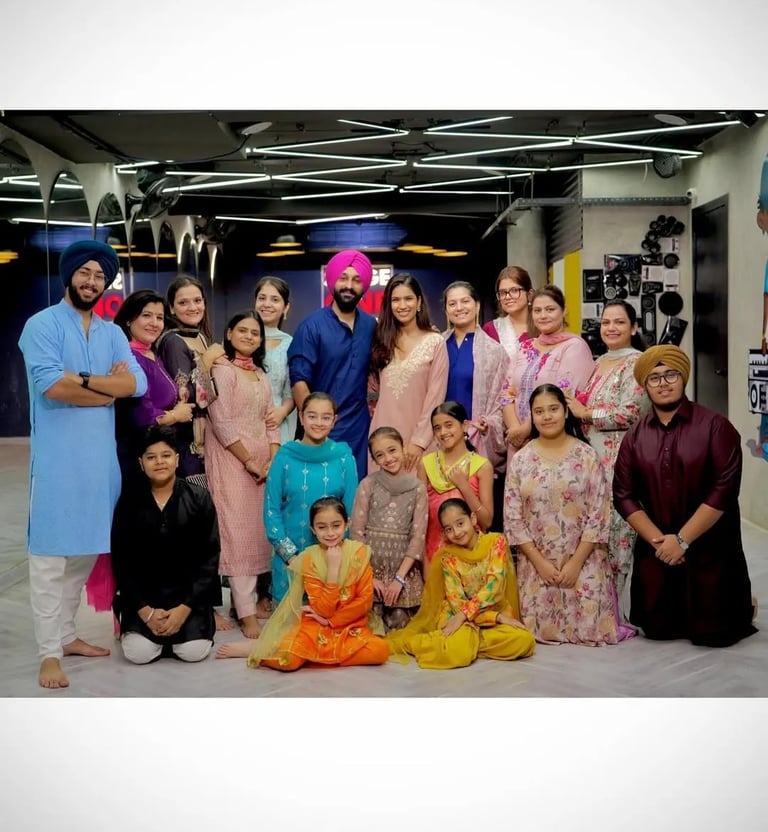
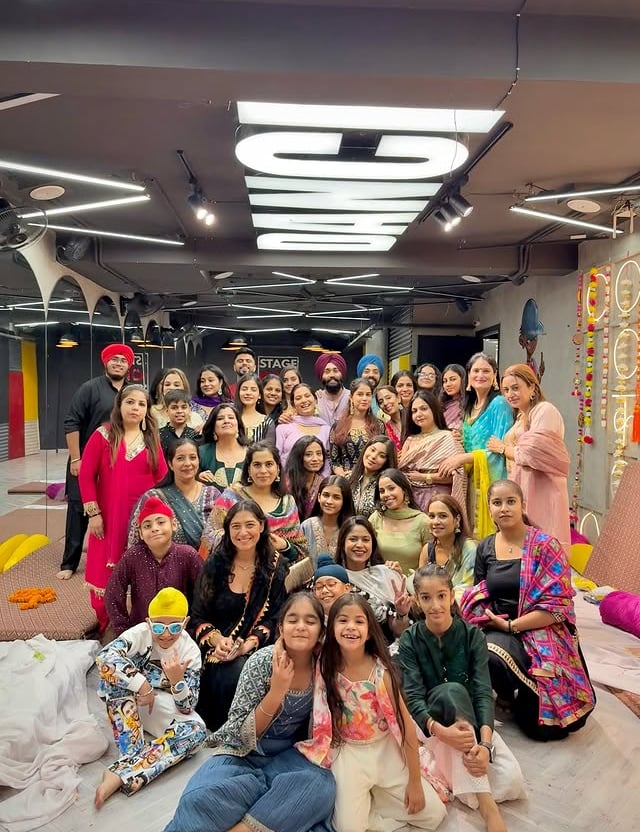
In the ever-evolving world of Indian cinema, dance continues to stand as one of the strongest storytelling tools. Whether it is a Punjabi blockbuster filled with emotional depth or a mainstream Bollywood entertainer packed with glamour, dance sequences shape the audience’s connection with the narrative. Among the new-age choreographers redefining cinematic dance language, Lakhveer Singh Choreographer has steadily emerged as one of the most versatile, visionary, and result-driven professionals in the industry. With an impressive filmography that spans Punjabi films, Bollywood productions, and regional cinema, he has become a trusted creative partner for directors aiming to deliver memorable visual experiences.
Early Journey and Rise of Lakhveer Singh Choreographer
Lakhveer Singh’s journey into choreography was not born overnight. Coming from a deep-rooted love for dance, movement, rhythm, and cinematic expression, he dedicated years to understanding the intricacies of dance direction. His ability to transform raw ideas into sequences filled with emotion, energy, and visual clarity helped him gain recognition within the film industry.
As he began assisting senior choreographers and working behind the scenes on multiple productions, Lakhveer Singh sharpened his skills in areas such as on-set direction, actor training, crowd movement management, and camera-oriented choreography. Filmmaking demands more than knowing steps; it demands an understanding of how dance interacts with lenses, lighting, props, and narrative emotion. Lakhveer Singh Choreographer mastered this craft gradually, which later became the foundation for his rise as an independent choreographer.
Breakthrough in Punjabi Cinema
The year 2021–2022 became a major turning point for Lakhveer Singh’s career. His work in Punjabi cinema gave him the opportunity to experiment with cultural authenticity and local musical textures. Punjabi films rely heavily on rhythm, expressions, and energetic movement styles, and his choreography aligned perfectly with audience expectations.
One of the projects that marked his breakthrough was Posti (2022). The film carried a socially impactful narrative, and Lakhveer Singh was trusted to choreograph songs that felt rooted in Punjab’s emotional landscape. From folk-inspired steps to soulful visual storytelling, his work elevated the emotional depth of the film.
This momentum continued with projects such as Aaja Mexico Challiye (2022), a gripping drama where music and choreography played a key role in expressing the struggles and aspirations of the characters. Lakhveer Singh created sequences that blended expressive body language with cinematic realism, helping the film connect with global Punjabi audiences.
His contribution to Shareek 2 (2022) further cemented his position. The film demanded a mix of celebratory dance numbers and situational songs. Lakhveer Singh delivered continuity in onscreen energy, ensuring star performances looked polished while maintaining cultural accuracy.
Expanding His Craft with Babbar (2022) and Chobbar (2022)
By the time he worked on Babbar (2022), Lakhveer Singh Choreographer had become known for his ability to design stylized yet emotionally grounded choreography. His creative approach in this action-driven film helped balance intense storytelling with musical freshness. Songs carried the raw Punjabi aesthetic the audience loved, yet they included modern choreography elements that gave the sequences a contemporary tone.
Soon after, he contributed to Chobbar (2022), another visually distinctive film where dance and movement needed to blend seamlessly with a youthful storyline. The choreography reflected the film’s high-energy narrative and gave audiences striking visuals they remembered long after watching the film. Lakhveer Singh’s understanding of camera angles and actor strengths ensured every frame looked dynamic and engaging.
His consistent flow of successful projects proved that he was not just creating dance steps but building identities for songs—something filmmakers respect deeply.
Bollywood Debut: A New Chapter in Creative Growth
The biggest leap in Lakhveer Singh’s journey arrived when he transitioned from Punjabi cinema to Bollywood, bringing his cultural richness and fresh ideas to a broader stage. His Bollywood debut project, Bunty Aur Babli 2 (2021), required him to contribute to a film filled with quirkiness, entertainment, and flamboyant visuals. The choreography demanded style, rhythm complexity, and versatility. Lakhveer Singh delivered sequences that perfectly matched the film’s humorous tone and modern storytelling style.
This opportunity opened doors to more Bollywood collaborations. In Shehzada (2023), a film starring Kartik Aaryan, the dance sequences needed to be stylish, energetic, and youth-centric. Lakhveer Singh choreographed numbers that delivered freshness and on-screen charm, adding to the film’s commercial appeal. His choreography balanced actor performance, mass entertainment, and visual spectacle—making his work stand out.
The Bollywood psychological thriller Gaslight (2023/I) gave him yet another challenge. The film’s mysterious tone meant the songs had to be subtle yet dramatic. Lakhveer Singh created movement direction that enhanced the emotional intensity without overpowering the storyline. This demonstrated his ability to adapt to genres beyond commercial dance.
Establishing Versatility with Zara Hatke Zara Bachke (2023)
A major highlight in Lakhveer Singh’s career came with the romantic drama Zara Hatke Zara Bachke (2023). This film required choreography that felt grounded, romantic, celebratory, and relatable. Lakhveer Singh crafted sequences that beautifully complemented the chemistry between Vicky Kaushal and Sara Ali Khan.
The film’s music became massively popular, and the dance direction played a crucial role in this. Lakhveer Singh’s steps became widely recreated across social media, proving his ability to design choreography that resonates with the masses. His contribution strengthened the movie’s emotional impact and helped it gain strong audience engagement.
Venturing into Regional Cinema with Boomika (2021)
His work is not limited to Punjabi and Bollywood film industries. Lakhveer Singh also worked on the Tamil environmental thriller Boomika (2021). This film had a different cinematic language altogether, combining eerie elements with dramatic performances.
The songs required minimalistic, mood-based choreography rather than traditional dance. Lakhveer Singh handled the challenge with sensitivity. His ability to absorb regional aesthetics and adapt his choreography accordingly reflects his understanding of pan-Indian cinema. Such versatility makes him one of the few choreographers comfortable working across multiple languages and genres.
Signature Style of Lakhveer Singh Choreographer
Over the years, Lakhveer Singh has built a unique identity. His choreography is not defined by a single technique but by his ability to blend emotion, storytelling, and precision. His signature style includes expressive body language, seamless interaction with camera movements, synchronization of actors and background dancers, detailed attention to costumes and props, and the use of culturally rooted elements fused with contemporary styles.
Whether he designs an emotional slow sequence or a high-energy commercial track, his choreography always serves the story first. This narrative-centric approach is one of the key reasons directors enjoy working with him.
Working Style and On-Set Excellence
Colleagues often appreciate Lakhveer Singh’s efficiency, discipline, and supportive nature toward actors and crew members. His workshops and rehearsals are known for being well-planned, structured, and creatively stimulating. He ensures every performer, from lead actors to supporting artists, understands the emotion behind each movement.
On set, he collaborates closely with directors, cinematographers, and music directors to align visual and musical language. This team-oriented attitude helps create dance sequences that feel coherent, cinematic, and artistically impactful.
Impact on Modern Punjabi and Bollywood Cinema
In recent years, the film industries have evolved with the rise of social media dance culture, global music influences, and high audience expectations. Amid this shift, Lakhveer Singh Choreographer has adapted beautifully. His dance numbers are not only visually appealing but also digitally friendly, often going viral on platforms like Instagram and YouTube.
His choreography has played a significant role in popularizing songs from films like Zara Hatke Zara Bachke, Posti, and Aaja Mexico Challiye. By giving attention to detail and understanding the pulse of today’s audience, he has contributed greatly to the promotional success of many films.
Future Prospects and Legacy in Progress
With his expanding filmography and a rising reputation across multiple industries, the future for Lakhveer Singh looks promising. Many upcoming Punjabi and Bollywood filmmakers are seeking choreographers who can merge artistic vision with commercial sensibility—and Lakhveer Singh represents this balance perfectly.
He continues to experiment with movement styles, visual techniques, and narrative-driven choreography. As he takes on more diverse projects, his legacy as a versatile and influential choreographer will only grow stronger.
Conclusion
Lakhveer Singh Choreographer is not just a dance director; he is a storyteller who uses movement as a language. From Punjabi hits like Posti, Shareek 2, Babbar, and Chobbar to Bollywood projects such as Bunty Aur Babli 2, Shehzada, Gaslight, and Zara Hatke Zara Bachke, his journey reflects dedication, creativity, and evolution.
With a career spanning multiple languages and cinematic styles, Lakhveer Singh has positioned himself as one of the most promising choreographers of the new generation. His passion, discipline, and ability to create emotionally resonant choreography set him apart as a visionary artist shaping the future of Indian cinema.