
Gurnam Singh Director of Photography
Gurnam Singh: The Visual Storyteller Behind Indian Cinema’s Changing Frames
By : Filmi Authors
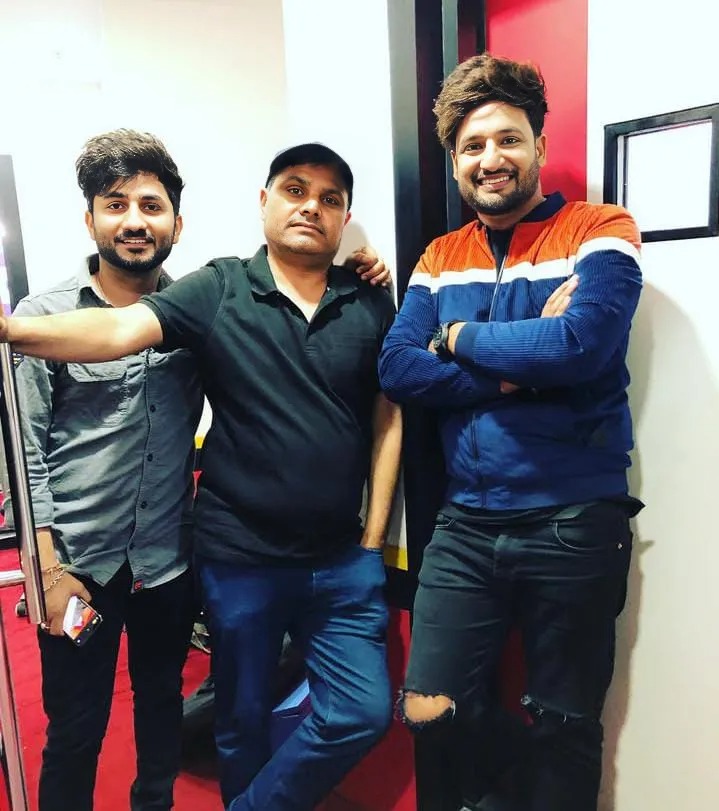
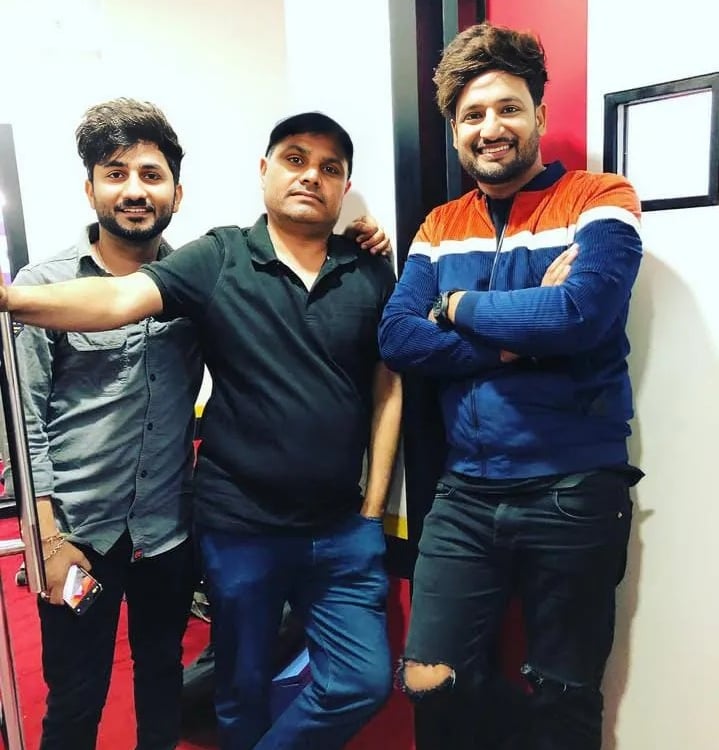
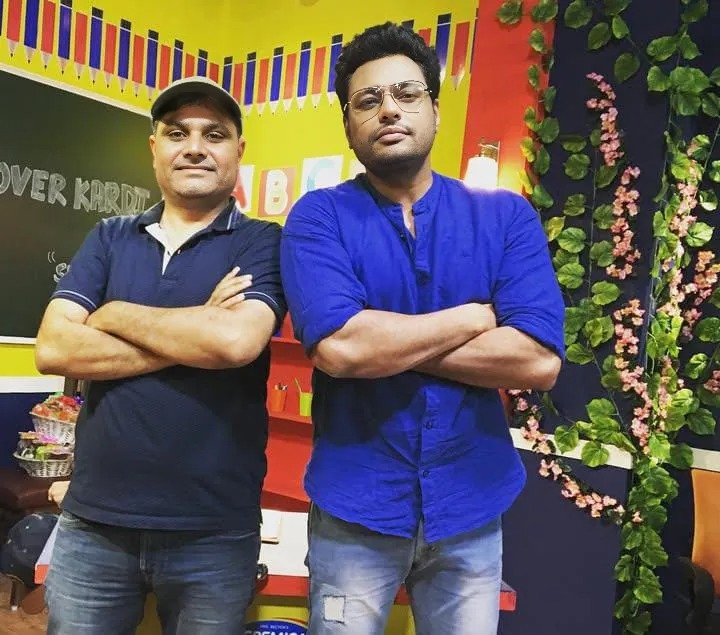
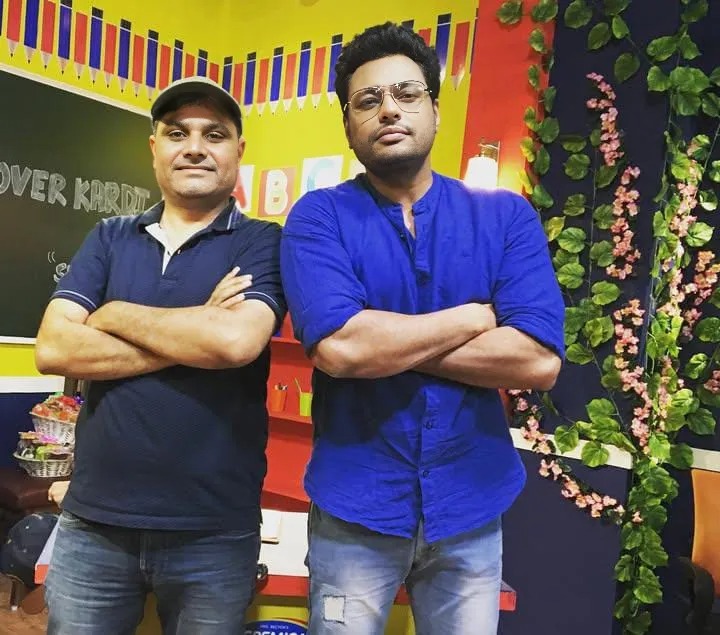
In a cinematic world obsessed with stars, awards, and box office numbers, a quieter yet powerful force is shaping how stories are told—the eye behind the camera. Meet Gurnam Singh, a Director of Photography (DOP) whose evocative visuals are helping redefine how Indian films look, feel, and connect. With projects spanning across genres and regions—including Bibi Rajni, Yashoda, Dulla The Robinhood (2025), Middle Class Melodies, and Khatre Da Ghuggu—Gurnam has carved out a place for himself as a versatile and emotionally intelligent cinematographer.
From the soulful silence of rural Punjab to the suspenseful corridors of a sci-fi thriller, Singh has mastered the art of crafting visuals that do more than decorate a film—they deepen its meaning.
The Making of a Cinematographer
Born in Punjab, Gurnam Singh’s path to cinematography wasn’t paved with glamour or family connections. It was his natural curiosity for light, texture, and composition that led him to cameras. He began capturing village events, festivals, and candid emotions as a hobby before realizing that cinema could offer a much larger canvas to paint with light.
Singh eventually pursued formal training in cinematography, immersing himself in the study of camera work, film stock, lighting design, and visual language. What began as instinct evolved into an articulate, disciplined craft. Before long, he was assisting senior DOPs, learning not just technical skills but also how to emotionally read a script visually—an often overlooked but vital trait.
Bibi Rajni: Painting Strength with Light
Bibi Rajni, a Punjabi-language film rooted in feminist resilience, is one of Singh’s earliest and most emotionally potent works. The story follows a woman’s confrontation with deeply ingrained social expectations, and Singh’s cinematography mirrors this emotional and cultural turbulence.
His use of static frames and soft lighting conveyed not only the quiet suffering of the character but also her inner strength. The slow camera movements and deliberate use of shadows turned ordinary domestic spaces into metaphors for psychological tension.
Reviewers praised Singh’s ability to tell a deeply emotional story without overstatement. “It’s like the lens is listening to her heartbeats,” noted one critic—a testament to Singh’s rare skill in blending narrative with nuanced visual tone.
Yashoda: Sci-Fi Thriller with Precision Optics
In a complete shift of gears, Gurnam Singh brought his skills to the Telugu-language thriller Yashoda, featuring Samantha Ruth Prabhu. This sci-fi action drama, with its darker themes and complex settings, posed a technical challenge. It required a cinematographer who could keep pace with a high-concept storyline while maintaining emotional connectivity.
Singh delivered on both fronts. Cold color palettes, sterile lighting in scientific labs, and swift transitions between action and stillness made Yashoda visually gripping. He employed tight close-ups and dynamic camera angles to build tension without giving away too much—ensuring that the visual design enhanced the mystery, rather than overwhelming it.
More than the visuals, it was Singh’s adaptive mindset that stood out. He proved he could move from earthy realism to stylized fiction without losing his cinematic identity.
Dulla The Robinhood (2025): Grandeur with Grit
Upcoming Punjabi epic Dulla The Robinhood (2025) is perhaps Singh’s most ambitious work to date. A historical action drama centered on justice, rebellion, and redemption, the film demanded scale and spectacle. But Singh was clear—he wanted every frame to remain rooted in emotion, no matter how large the canvas.
Massive battle scenes, horse chases across fields, village uprisings—all choreographed with visual depth and clarity. Singh is said to have used vintage-style lenses, overhead rigs, and dramatic backlighting to give Dulla a bold cinematic language. The trailers already suggest a film that’s as much about storytelling as it is about spectacle.
One behind-the-scenes video showed Singh adjusting camera movement for a crucial standoff scene, with just two actors, firelight, and silence. “This is where real drama lives,” he said. It’s that grounding in emotion that makes his work more than just visually impressive—it makes it human.
Middle Class Melodies: A Love Letter to Simplicity
In Middle Class Melodies, Singh explores the quietly beautiful world of small-town India. Set in Andhra Pradesh, this feel-good film follows the dreams of a humble hotel owner. Singh’s cinematography here is understated but utterly charming.
Rather than using sweeping crane shots or high-saturation visuals, he opted for natural light, handheld shots, and practical framing to keep the narrative authentic. The kitchen steam, the yellow of streetlamps, the glimmer of cheap fairy lights—each frame is an intimate portrait of middle-class aspirations.
Audiences loved how Middle Class Melodies looked and felt real. Singh’s approach here was proof that cinematography isn’t just about impressing—it’s about belonging to the world of the story.
Khatre Da Ghuggu: Timing, Tone, and Texture in Comedy
Comedy is a genre often underestimated visually. But in Khatre Da Ghuggu, a Punjabi-language comedy, Singh showed that cinematography could play a critical role in delivering laughs. His lens amplified punchlines, enhanced physical humor, and exaggerated awkward silences—all through clever visual timing.
Bright lighting, zooms on facial reactions, and bold colors matched the film’s eccentric characters. He played with spatial composition—sometimes squeezing the characters into tight frames for comic effect, sometimes giving them room to explode with energy.
In essence, Singh became a co-conspirator in the film’s comedic rhythm. His visuals didn’t just record the jokes—they made them funnier.
The Singh Signature: Emotionally Intelligent Cinematography
Across all his films, Singh brings one consistent strength to the table—emotional intelligence. He reads the tone of each story and adapts his visual grammar accordingly. Whether it’s the raw heartbreak of Bibi Rajni or the sci-fi suspense of Yashoda, Singh never imposes a singular style. Instead, he listens, observes, and collaborates.
He has also been a strong advocate for sustainable filmmaking practices, often opting for low-impact lighting rigs and encouraging local crew hiring during regional shoots. His sets are known to be calm, efficient, and focused—rare in today’s high-pressure environments.
What’s Next for Gurnam Singh?
As OTT platforms continue to blur the boundaries between regional and national content, cinematographers like Gurnam Singh are poised to lead the visual revolution. With multiple projects in pre-production—ranging from indie dramas to action series—Singh is focused on pushing the envelope without losing his essence.
He’s also mentoring young cinematographers and conducting workshops across Punjab, believing strongly in community growth. “Cinematography is not about fancy tools,” he says. “It’s about learning to see.”
Final Words: A Cinematic Voice We Need
Gurnam Singh is more than a Director of Photography—he is a visual storyteller who respects the soul of a story. His growing body of work already showcases his remarkable range, and his thoughtful approach promises a lasting impact on Indian cinema.
In an age where visual effects often overshadow storytelling, Singh reminds us that true cinematography is not about spectacle—but about emotion, truth, and beauty captured one frame at a time.